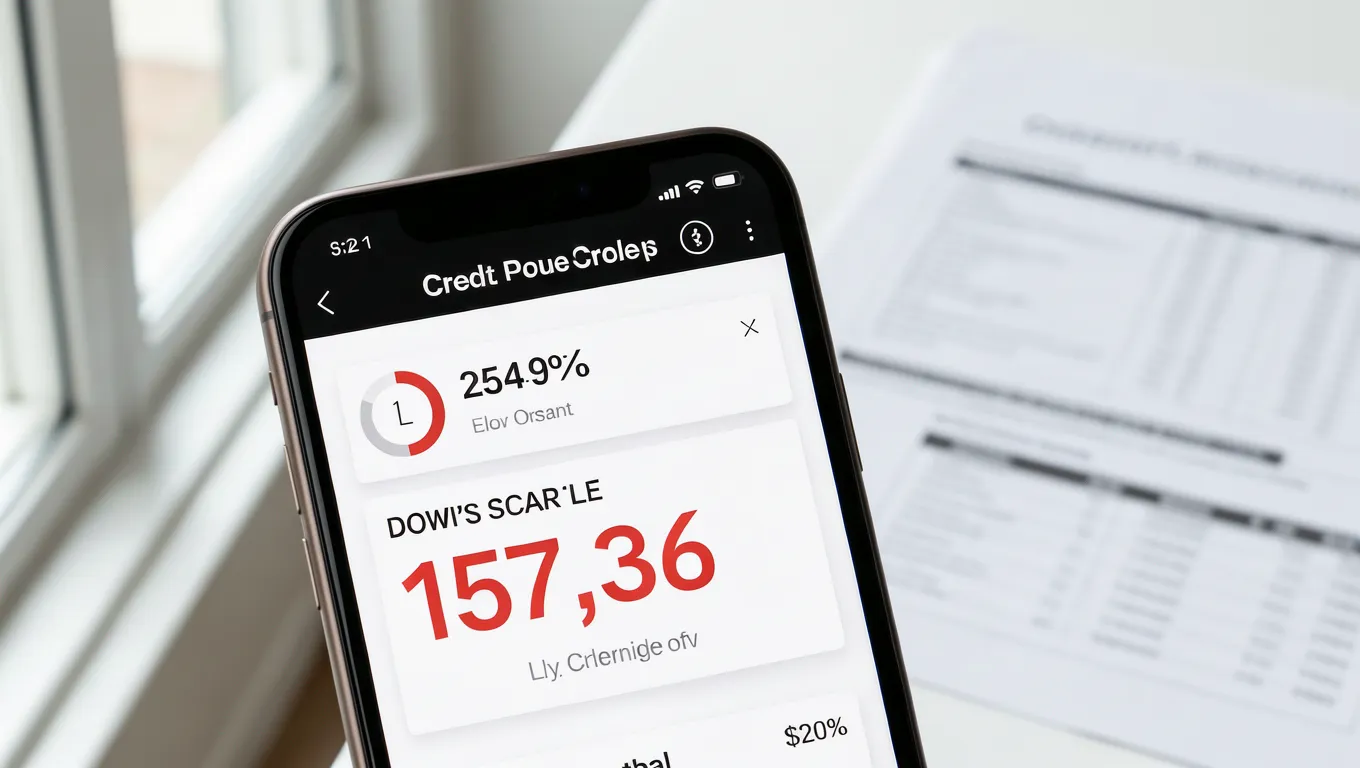
Finding the right lender in 2026 shouldn't be a struggle regardless of your history. Hard Money Loans helps you explore options that may fit your unique financial profile.
No hard credit pull · Takes 2 minutes
Won't impact your credit score
Fill out a quick form with your basic financial details to see what lenders may offer you.
Review different terms and rates from various lenders without committing to anything immediately.
Select the loan that fits your budget and complete the application directly with the lender.
Navigating the landscape of personal loans with poor credit score requires a clear understanding of how modern lending works in 2026. For many, a low FICO score—typically defined by bureaus like Experian or Equifax as being below 580—can feel like a closed door to traditional banking. However, the subprime market remains active, offering various ways to access capital for essential needs. Lenders in this space often look beyond just your score, analyzing factors such as your debt-to-income ratio and recent payment history to determine risk levels.
It is important to recognize that while these loans are accessible, they come with trade-offs. Borrowers may encounter an annual percentage rate (APR) range significantly higher than those offered to prime borrowers, often spanning from 18% to 36% or even higher depending on the lender's risk assessment. This increased cost is a reflection of the elevated risk that lenders assume when providing funds to individuals with less-than-ideal credit profiles. Understanding this dynamic helps you make informed decisions about whether a fixed-rate installment loan
When searching for these products, it is vital to distinguish between legitimate subprime lenders and predatory entities. Reputable institutions will always be transparent about their terms, including any potential origination fees or prepayment penalties. By focusing on total cost of ownership rather than just the monthly payment, you can avoid many of the pitfalls that often plague those seeking quick financial relief in a high-interest environment.
Determining your eligibility for personal loans with poor credit score involves more than a single number on a report. Lenders evaluate several key metrics to build a complete picture of your financial reliability. One of the most critical components is your income stability; lenders often require proof of consistent earnings through recent pay stubs or tax returns. This ensures that you have the capacity to manage the debt without falling into further hardship.
Another significant factor is your credit utilization ratio—the amount of revolving credit you are using compared to your total limits. Even if your score is low due to past mistakes, a lower utilization rate can signal to a lender that you are actively managing your current obligations effectively. Additionally, lenders will scrutinize your existing debt load relative to your gross monthly income. A high debt-to-income ratio could potentially limit the amount of capital you qualify for or lead to higher interest rates.
In 2026, some innovative fintech lenders have begun using alternative data to assess creditworthiness. This might include your history of on-time utility payments or rent transactions. While these methods are becoming more common, traditional metrics still hold significant weight in the approval process. Being prepared with documentation for your income and a clear understanding of your current liabilities will significantly streamline your application process and may improve your chances of success.
| Feature | Standard Personal Loans | Subprime/Bad Credit Loans | Co-signed Loans |
|---|---|---|---|
| Typical APR Range | 6% - 24% | 18% - 36%+ | 7% - 25% |
| Approval Probability | High (Good Credit) | Moderate (Low Credit) | Very High |
| Collateral Required | Usually Unsecured | Unsecured or Secured | Unsecured |
| Speed of Funding | 1-3 Business Days | 1-5 Business Days | 2-4 Business Days |
| Primary Focus | Credit Score | Income & Stability | Co-signer's Credit |
When you are pursuing personal loans with poor credit score it is essential to look past the monthly payment amount and focus on the total cost. The most significant factor in this calculation is the annual percentage rate (APR). Because lenders take on more risk when lending to those with lower scores, they typically charge higher interest rates to offset that potential loss. This can lead to a scenario where you end up paying back significantly more than the original amount borrowed over the life of the loan.
Another hidden cost to watch for is the origination fee. Many lenders charge an upfront percentage of the total loan amount, which is often deducted from your payout. For example, if you borrow $5,000 and there is a 5% origination fee, you might only receive $4,750 in your bank account, even though you are responsible for repaying the full $5,000 plus interest. It is vital to ask lenders about these fees upfront so you can factor them into your budget.
The Federal Trade Commission (FTC) advises consumers to always compare the APR rather than just the monthly payment when shopping for loans. A lower monthly payment might seem attractive, but it could be the result of a much longer loan term, meaning you will pay more in total interest over time. Always read the fine print regarding prepayment penalties; some lenders may charge you extra if you try to pay off your debt early, which can negate any savings from making extra payments.
Ensure you have official documentation for all regular income, including side hustles or disability benefits.
Try to pay down existing balances to below 30% utilization before submitting your application.
Review your reports from Equifax or TransUnion and dispute any incorrect negative marks immediately.
Do not settle for the first offer; even a 2% difference in interest rates can save you hundreds over time.
The search for personal loans with poor credit score can sometimes lead borrowers into dangerous territory. Predatory lenders often use aggressive marketing tactics, promising 'guaranteed approval' or 'no credit check' to lure people in a state of financial urgency. It is important to remember that no legitimate lender can guarantee an approval without reviewing your actual financial data. If a company pressures you to sign quickly or asks for upfront fees before the loan is disbursed, proceed with extreme caution.
Transparency is the hallmark of a reputable lender. In 2026, consumer protection standards remain high, and the Consumer Financial Protection Bureau (CFPB) provides extensive resources on how to identify unfair lending practices. Always verify that the lender is licensed in your state and has a clear physical address. Avoiding 'payday loan' style products—which often feature astronomical interest rates—is one of the best ways to protect your long-term financial health.
Finally, be wary of loans that offer very short repayment terms with high monthly payments. While these might seem manageable at first, they can create a cycle of debt if your income fluctuates. Aim for a loan structure that provides a buffer in your monthly budget, ensuring you can meet your obligations even during leaner months. Using credit as a tool rather than a lifeline requires discipline and a deep understanding of the terms you are agreeing to sign.
For related paths to funding, many readers also explore bad credit loans and fast personal loans for bad credit.
We quickly connect you with a wide network of lenders that specialize in subprime financing.
Your sensitive information is protected by industry-leading encryption and privacy protocols.
Checking your initial eligibility through our platform typically involves only a soft credit inquiry.
We provide clear data so you can see exactly what you are getting before you commit.
Adjust the sliders to see an instant estimate. Actual rates depend on your credit profile.
* Estimate only. Actual rate and terms depend on lender approval.
Estimated Monthly Payment
$332.14
per month for 36 months
No impact on your credit score