How to Navigate Financial Emergencies When You Are Living Paycheck to Paycheck

Elena Rodriguez
Certified Financial Planner · Updated September 2026
Elena Rodriguez
Certified Financial Planner · Updated September 2026
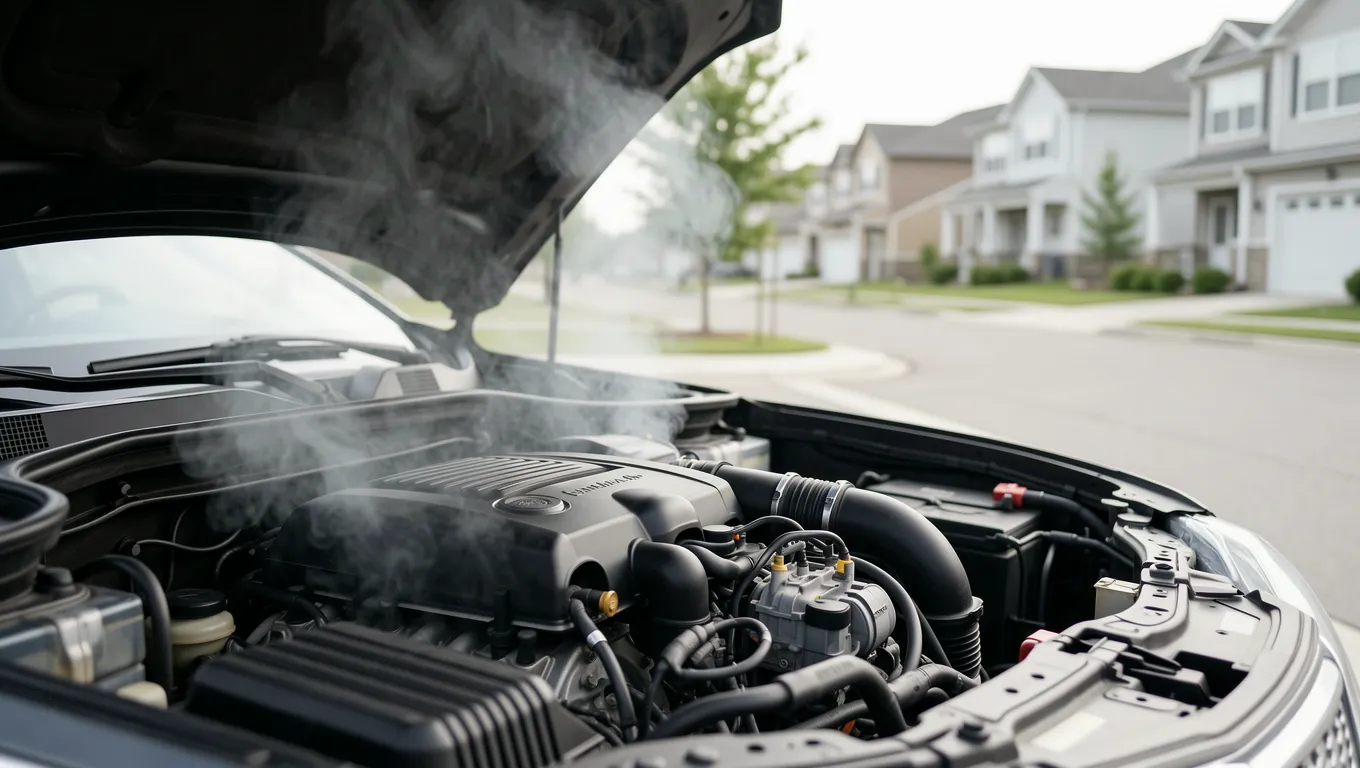
Imagine it is a Tuesday morning in 2026. Your car's transmission fails, or perhaps an unexpected medical bill arrives in the mail for $450. For many Americans living paycheck to paycheck, this isn't just an inconvenience; it is a crisis that threatens your stability. When your bank balance is essentially zero until your next deposit arrives, even a small disruption can feel like a catastrophe. In 2026, rising costs for essential goods mean the margin for error has become thinner than ever before.
The reality is that an average unexpected expense in the current economic climate often ranges between $400 and $600, which can represent nearly half of a monthly take-home pay for many households. When you are living on the edge, there is no 'cushion' to catch you when you fall. This article is designed to help you move from panic to action. We will walk through how to prioritize your spending, how to evaluate different funding options, and how to build a small but vital buffer for the future.
It is important to understand that we do not provide loans ourselves; rather, this guide is meant to offer financial literacy and a way to navigate the complex landscape of modern credit. We will discuss the differences between various types of debt, how your credit score might react to an emergency, and why some 'quick fixes' can actually make your situation much worse in the long run. By the end of this guide, you should have a clear framework for deciding what to pay first and where to look for support when things go wrong.
Navigating these moments requires a calm head and a strict adherence to a priority-based system. You cannot solve every problem at once, so you must learn the art of financial triage—treating the most life-threatening financial issues before moving on to the secondary ones. Let's begin by looking at how to decide which bills actually matter when your funds are extremely limited.
When an emergency hits and the money is gone, your first instinct might be to pay whoever calls you most aggressively. However, financial experts often suggest a different approach known as the 'Four Walls' method. This strategy focuses on protecting the essentials that keep you healthy, safe, and able to work. In 2026, with inflation still impacting grocery prices and utility rates, this prioritization is more critical than ever.
The Four Walls consist of:
For example, if you have $300 left and your rent is $800 while your credit card minimum is $50, the math is simple but difficult: that $50 should go toward something that ensures you can keep working or eating. The long-term impact of a late credit card payment is significant, but the immediate impact of being evicted or losing transportation is often more severe in the short term. This is not about avoiding debt forever; it's about surviving the current month so you can fight another day.
It is important to note that many utility companies and landlords have hardship programs. If you find yourself unable to meet your 'Four Walls' obligations, contact them immediately. Many providers in 2026 offer deferred payment plans or grace periods for those experiencing documented financial hardship. Proactive communication can often prevent a late fee from turning into a service disconnection.
When an emergency arises, you will likely face a choice in how to fund the solution. The two most common paths are using existing credit or taking on new debt through a structured loan. Understanding the trade-offs between these options is essential for preventing a single crisis from turning into a permanent cycle of debt.
Let's look at a concrete comparison. Suppose you face a $2,000 emergency medical bill.
Option A: The Credit Card Route. You put the $2,000 on a credit card with a 24% APR. If you only pay the minimum monthly payment (roughly $50), much of that money goes toward interest rather than the principal. Over several years, that $2,000 bill could end up costing you over $3,500 in total payments.
Option B: The Structured Loan Route. You seek a personal loan through a matching service like Hard Money Loans to find a lender with a fixed term and potentially lower rate. If you secure a loan at 12% APR over 36 months, your payment would be approximately $66 per month. While the monthly commitment is similar to the credit card minimum, you are actually paying down the balance every single month.
The trade-off here is a matter of speed versus cost. Credit cards offer instant availability, which is vital when an engine fails on the highway. However, structured loans often provide a much lower total cost of capital if you can secure them in time. In 2026, many digital lenders have streamlined this process, making it possible to see potential terms within hours rather than days.
Ultimately, the best choice depends on your ability to repay. If you use a credit card for an emergency, you must have a plan to pay it off aggressively. Using a high-interest tool like a credit card as a permanent solution is one of the most common ways people fall into deep financial distress. Always weigh the immediate relief against the long-term interest burden before swiping that card.
When you are in the middle of a financial storm, your brain is often in 'fight or flight' mode. This makes rational decision-making difficult. To combat this, I recommend using a structured decision framework to evaluate every emergency expense before you commit any funds.
Follow these four steps when an unexpected cost arises:
1. Categorize the Urgency: Is this 'Life or Death' (Medical/Food), 'Job-Threatening' (Car repair/Internet bill), or 'Convenience' (Replacing a broken appliance that is currently working)? If it is not life or job-threatening, it can likely wait until next month.
2. Quantify the Total Cost: Don't just look at the immediate price tag. Include taxes, delivery fees, and installation costs. Knowing the exact number prevents 'sticker shock' later.
3. Evaluate the Source of Funds: Where is this money coming from? Is it your savings (the best option), a low-interest loan (good), or high-interest credit/payday loans (dangerous)?
4. Assess the Long-Term Impact: Will paying for this today prevent you from paying rent next week? If the answer is yes, you must look for alternative solutions like payment plans or community assistance.
For example, consider a tenant whose refrigerator breaks. The immediate cost to replace it might be $800. Using the framework: It's 'Job-Threatening/Life-Essential' because food spoilage is an issue. However, if they have $900 in rent due next week, the decision becomes a trade-off between a new fridge and housing stability. In this case, repairing the old fridge for $150 might be the more rational choice, even if it's less convenient.
This framework helps strip away the emotional weight of an emergency and treats your finances like a logistics problem. By categorizing expenses, you stop reacting to every loud noise or broken item and start managing your resources with precision. This mental shift is often what separates those who stay afloat from those who sink during economic volatility in 2026.
Many people believe that their credit score is a static number, but it is actually a highly sensitive reflection of your recent financial behavior. When you are navigating an emergency, understanding how the major bureaus like Experian or Equifax track your data can save you thousands in future interest payments.
One nuance many people miss is the difference between a 'hard inquiry' and a 'soft inquiry.' When you apply for a loan to cover an emergency, it results in a hard inquiry, which may cause a temporary dip in your score. However, this is often much less damaging than the alternative: a 30-day delinquency on a credit card or utility bill. In 2026, many lenders have become even more sensitive to recent volatility, meaning that keeping your payment history clean is far more important for your long-term score than avoiding a single inquiry.
Another expert nuance involves the use of 'payment plans.' If you cannot pay a medical bill or a utility bill in full, most providers will allow you to set up a formal payment plan. As long as you are making these agreed-upon payments on time, they typically do not report negatively to the credit bureaus. This is a vital tool for anyone living paycheck to paycheck; it allows you to manage your cash flow without destroying your ability to borrow money in the future.
However, be aware of the 'credit utilization' trap. If you use a credit card to pay for an emergency and your balance jumps from 10% of your limit to 90%, your score will likely drop significantly due to high utilization. This can happen even if you make every payment on time. Understanding this distinction helps you realize that how you use credit during a crisis is just as important as if you pay it back.
When desperation sets in, many people fall into a trap that is incredibly difficult to escape. The most dangerous mistake you can make during a financial emergency is turning to payday loans or high-interest title loans. These products are designed to create a cycle of debt rather than provide a solution.
Payday loans often carry APRs that exceed 400%. To put that in perspective, if you borrow $500 and cannot pay it back by your next paycheck, the interest and fees can quickly snowball into $750 or more within just a few weeks. This creates a 'debt treadmill' where you are working entire weeks just to pay off the interest on money you have already spent. In 2026, despite increased regulation, these predatory practices still persist in various forms.
To avoid this spiral, follow these guidelines:
The goal is to solve the immediate problem without creating a secondary, larger problem for your future self. It is better to face a difficult conversation about a late rent payment or a utility disconnection than to enter into a high-interest loan agreement that will haunt your budget for years to come. True financial resilience is built by avoiding the traps that promise 'easy money' but deliver long-term hardship.
The ultimate goal of navigating financial emergencies is to eventually reach a point where an emergency no longer feels like a crisis. While building a full three-to-six-month emergency fund seems impossible when you are living paycheck to paycheck, the key is to focus on 'micro-savings' and incremental progress.
In 2026, many people find success by automating small amounts of money that they don't miss in their daily lives. For example, if you can set up an automatic transfer of just $15 per week into a separate savings account, you will have nearly $800 at the end of one year. While $800 might not cover a major medical procedure, it is more than enough to cover a new set of tires or a sudden plumbing leak.
Consider this math:
- Saving $5/week = $260/year (Covers small repairs)
- Saving $15/week = $780/year (Covers medium emergencies)
- Saving $40/week = $2,080/year (Provides a significant safety net)
The difference between these levels is often just a few small lifestyle adjustments or the redirection of 'found money' like tax refunds, work bonuses, or gift money. Instead of using a tax refund to buy something new, direct it immediately into your micro-buffer. This creates a psychological shift; you stop seeing yourself as someone who is constantly 'struggling' and start seeing yourself as someone who is 'building.'
Remember, an emergency fund doesn't have to be a mountain of cash sitting in a vault. It just needs to be enough liquidity to bridge the gap between your crisis and your next paycheck. By focusing on small, consistent wins today, you are buying yourself peace of mind for tomorrow.